
Lower heating and cooling costs
By slowing heat transfer, bulk insulation reduces the workload on heaters and air conditioners. Homes in Warrandyte with proper ceiling insulation can cut energy use by up to 45 percent in winter and summer.
Warrandyte
Bulk insulation traps still air to slow heat flow through ceilings, walls and floors. In Warrandyte’s older weatherboard and brick homes, it’s the most effective way to cut winter heat loss and summer heat gain, lowering heating and cooling costs year round.
Share your details and Expert Insulation Melbourne will contact you about Bulk Insulation in Warrandyte.
Bulk insulation uses dense batts of glasswool, polyester or rockwool to resist heat flow by trapping still air. In Warrandyte homes, it is installed between ceiling joists, inside wall cavities during renovations, or between floor joists in the subfloor. The material’s R-value indicates its thermal resistance, with higher values providing better performance.
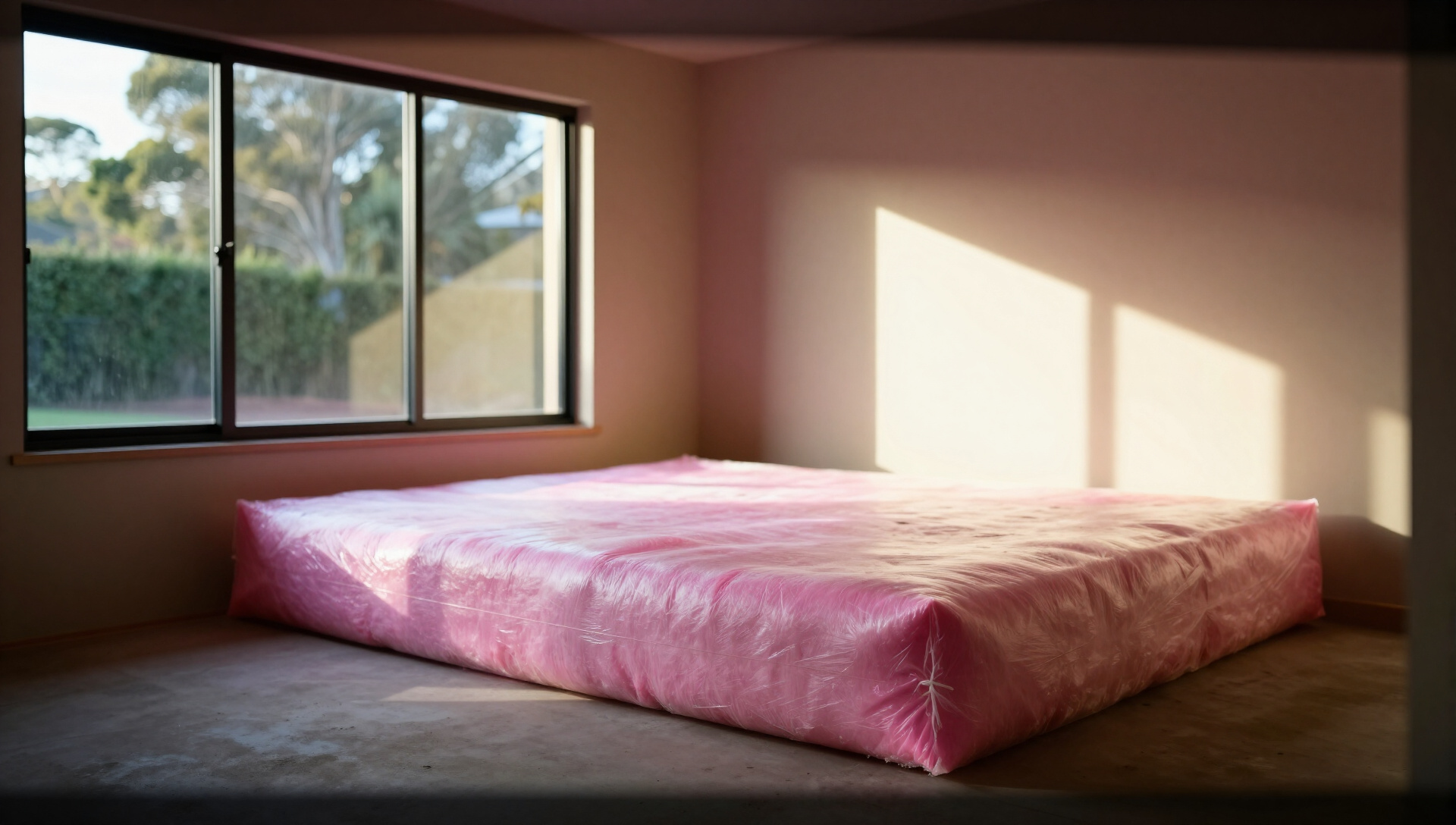
Warrandyte’s mix of older weatherboard homes and brick houses often lacks adequate insulation, leading to high energy bills and uncomfortable indoor temperatures. Bulk insulation addresses these issues directly.
By slowing heat transfer, bulk insulation reduces the workload on heaters and air conditioners. Homes in Warrandyte with proper ceiling insulation can cut energy use by up to 45 percent in winter and summer.
Even heat distribution means no cold spots in winter or hot zones in summer. Bulk batts in ceilings prevent heat escaping upwards, while underfloor insulation stops cold air rising through timber floors.
Dense bulk materials absorb sound, making interiors quieter. This is especially useful in Warrandyte’s semi-rural areas where external noise can be an issue.
Polyester batts do not absorb moisture, making them a good choice for Warrandyte homes in damper areas or those prone to condensation in roof spaces.
Glasswool and rockwool are non-combustible, adding a layer of fire resistance to walls and ceilings without compromising thermal performance.
Properly installed bulk insulation retains its effectiveness for decades. It does not settle or degrade over time if kept dry and undisturbed.
Installation starts with an assessment of your home’s construction, existing insulation and access points. The process varies depending on whether the work is in the ceiling, walls or underfloor.
The roof space is checked for existing insulation, electrical cables, downlights and any signs of moisture or pest damage. Old compressed batts are removed if they are no longer effective. Dust and debris are cleared to provide a clean surface for new material.
Batts are measured to fit snugly between ceiling joists, wall studs or floor joists without gaps. They are cut to size on site, ensuring a precise fit around obstacles like pipes, cables and downlight clearances. No gaps means no thermal bridging.
Batts are laid perpendicular to joists in ceilings and floors, and friction-fit between studs in walls. In ceilings, they are placed above the ceiling lining but below the roofline. Reflective foil is not used alone in bulk applications but may be combined with sarking in roof systems.
The installer ensures all batts are evenly distributed with no compression or voids. The roof space or subfloor is left clean, with all entry points sealed. If old insulation is suspected to contain asbestos, work stops until a qualified assessor inspects it.
Warrandyte’s older weatherboard and brick homes often have little to no insulation, making them expensive to heat and cool. The suburb’s bushland setting and proximity to the Yarra River can also introduce moisture, which affects material choice. Bulk insulation in ceilings is the priority, as this is where most heat is lost in winter and gained in summer. Underfloor insulation is also valuable for homes with suspended timber floors, preventing cold air from entering living spaces.
Expert Insulation Melbourne installs bulk insulation in Warrandyte ceilings, walls and floors to improve thermal performance and reduce energy costs.
Homeowners in Warrandyte often have questions about material choices, R-values and whether their home is suitable for bulk insulation. Here are the most common queries.
Bulk insulation in Warrandyte is a cost-effective way to improve your home’s thermal efficiency. Using materials like glasswool, polyester and rockwool, it traps still air to resist heat flow through ceilings, walls and floors. This is particularly important in Warrandyte, where older homes often lack adequate insulation, leading to high energy bills and inconsistent indoor temperatures.
Ceiling insulation is the most impactful, as heat rises and escapes through the roof space. Typical R-values for ceilings range from R4.0 to R6.0, depending on climate needs and budget. Walls usually require R2.0 to R2.7, while underfloor insulation commonly uses R1.5 to R2.5. Higher R-values provide better thermal resistance but may require thicker batts, which need sufficient space between joists or studs.
The installation process in Warrandyte begins with a thorough inspection of the roof space or subfloor to assess existing insulation, access and potential issues like moisture or pests. Old, compressed or damaged batts are removed, and the area is cleaned before new material is installed. Batts are cut to fit precisely between joists or studs, ensuring no gaps that could reduce performance. For wall insulation, access is needed during renovations or extensions when the cavity is open.
Improve your home’s comfort and reduce energy costs with bulk insulation. Expert Insulation Melbourne provides ceiling, wall and underfloor solutions in Warrandyte using glasswool, polyester and rockwool batts.